Discover Cardboard Boxes for Fruit and Vegetables for Fresh Produce Storage
Creating the Perfect Custom Vegetable Boxes: A Step-by-Step Approach
Designing custom produce boxes calls for a strategic strategy. Specialists must examine sustainability, functionality, and visual appeal. Selecting the right components is vital for preserving quality and supporting environmentally conscious practices. Furthermore, size and shape can greatly impact ease of use and shipping efficiency. Compelling graphics strengthen brand identity, while thorough assessment guarantees longevity. Understanding these elements will reveal key understanding into creating exceptional packaging strategies that appeal with consumers. What comes next is vital to achieving those goals.
Determining the Best Materials for Custom Produce Boxes
When picking materials for custom produce boxes, it is critical to review both functionality and environmental impact. The decision of material considerably influences the box's resilience, weight, and function to preserve the contents. Common materials include corrugated cardboard, which provides strength and is able to be recycled, making it a preferred choice for eco-conscious businesses. Biodegradable options, such as molded pulp or plant-based plastics, also support eco-friendly practices while offering adequate protection for delicate produce.
In addition, liquid resistance is indispensable for maintaining freshness, prompting some creators to explore treated materials or tailored protective barriers. The aesthetic appeal of the box should not be overlooked, as brand identity and visual communication can influence consumer perception. Ultimately, the right material should maintain proportion between protecting the produce, appealing to customers, and adhering to environmental standards, making sure that effectiveness and environmental consciousness are stressed in the planning phase.
How to Select Size and Shape for Performance?
When selecting the size and shape of custom produce boxes, thorough evaluation of produce dimensions is essential for proper storage. Additionally, considerations for handling and transport can impact the box structure, ensuring ease of movement. Optimizing storage space utilization further enhances functionality, allowing for effective presentation and organization.
Assess Produce Dimensions Carefully
Assessing the suitable form and capacity for produce containers is fundamental for workflow efficiency. Accurate assessment of produce dimensions is indispensable, as it validates that goods fit snugly without surplus room that could lead to damage during logistics and storage. Custom boxes need to accommodate assorted configurations, from soft-skinned fruits to heavy vegetables, while sustaining structural integrity. Furthermore, the depth and height of the boxes should enable stacking and organization, optimizing space in storage areas. A well-designed box not only protects the produce but also enhances consumer attraction for buyers. To sum up, careful consideration of dimensions contributes to reducing waste and improving buyer experience in the product supply chain.
Evaluate Handling and Transport
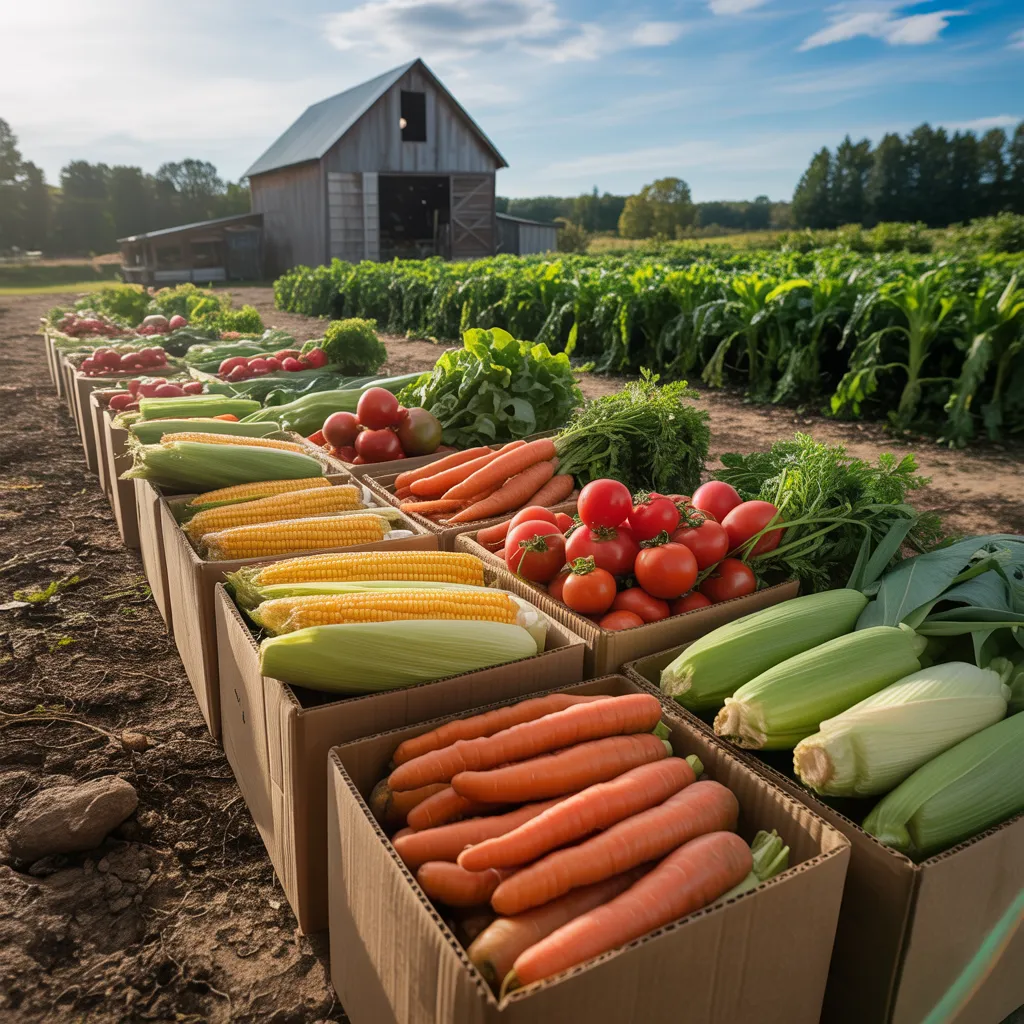
Handling and delivery aspects play a significant part in defining the appropriate size and configuration of custom produce boxes. The dimensions must accommodate the produce without unneeded space, which might cause movement and damage during transport. Small boxes facilitate easier handling, while larger boxes may be essential for larger items. Also, thoughtful design remains important; handles and openings should be strategically placed to enable comfortable lifting and transport. The form relating to the box equally affects stacking and stability, guaranteeing which products remain intact. Finally, careful consideration regarding these components strengthens the productivity of transport, minimizes product waste, while maintains the overall integrity concerning the produce beginning at field toward consumer.
Optimize Storage Space Usage
Optimal shelf space usage is determined by picking the ideal size and shape of bespoke vegetable packaging. Professionals should examine the proportions of the display racks as well as the types of produce being stored. Box-shaped boxes often promote efficient use of space, facilitating for improved stacking and alignment. Yet, distinctive shapes can amplify visual appeal but may produce unutilized areas if not well planned.
It's important to analyze the stock circulation rate; rapidly-moving items might profit from smaller, conveniently positioned boxes. Also, adopting adjustable or flexible frameworks can enable varying dimensions of produce while improving shelf organization. By emphasizing functionality and aesthetic considerations, businesses can fashion a functional and visually compelling presentation that strengthens both accessibility and item visibility.
How to Craft Visual Content That Hold Attention?
Striking visuals can turn a straightforward custom produce box into a visual masterpiece that grabs focus. To achieve this, designers should start by choosing a color scheme that demonstrates the freshness and liveliness of the produce. Bold, attention-grabbing colors can trigger emotions of freshness and vitality, pushing consumers to take a closer look.
Using find the information bold typography is equally important; clear and legible fonts can successfully convey key details while improving aesthetic quality. Furthermore, using high-quality images of the items can create an immediate connection, displaying the product's quality and attracting potential buyers.
Furthermore, introducing distinctive visual elements and patterns can help differentiate the brand in a crowded market. Consistency in design elements, such as logos and taglines, solidifies brand identity. Ultimately, a blend of creativity and clarity in graphic design can greatly lift the power of custom produce boxes, making them gain attention on shelves.
Eco-Friendly Practices for Custom Produce Box Wrapping
An growing number of organizations are implementing eco-friendly practices for custom produce box packaging, acknowledging its necessity in today's environmentally conscious market. These practices often involve the use of biodegradable materials, such as recycled paper and plant-based plastics, which minimize environmental impact. Companies are also directing attention on sustainable sourcing, confirming that materials are obtained from responsibly managed forests or suppliers who champion environmental stewardship.
In turn, numerous brands are going with understated designs that reduce waste while still efficiently displaying their products. This approach not only resonates with environmentally aware consumers but also assists with lowering production costs. Moreover, businesses are increasingly applying effective manufacturing processes that minimize energy consumption and waste generation. By incorporating these eco-friendly practices, companies not only improve their brand image but also contribute positively to the planet, aligning their operations with a sustainable future.
Assess Your Custom Produce Box Format
Testing the construction of custom produce boxes is an important phase in assuring they fulfill both aesthetic and performance-based standards. This undertaking generally involves studying components such as robustness, size, and practical use. First, working models need to be developed to evaluate the package's structural integrity, making sure it is able to handle transportation and storage without compromising the contents.
Next, user experience evaluations can be performed to assess how effortlessly the boxes can be unlocked, sealed, and arranged. Input from prospective customers can be priceless in this stage, offering perspectives into the box's practicality.
Furthermore, the design's visual appeal should be tested through focus groups or surveys, measuring consumer reactions to brand components, colors, and general appearance.
Ultimately, comprehensive evaluation enables designers to improve the box, guaranteeing it not only appeals to customers but also effectively protects and presents the produce within, striking the right balance between form and function.
Successfully Publicize Your Custom Produce Boxes
Effective marketing of custom vegetable containers requires a well-planned strategy that highlights their distinctive advantages and value. Businesses should prioritize determining their target audience, whether they are local farms, grocery stores, or individual consumers. Harnessing social media platforms can boost market visibility, displaying the boxes' appearance and functionality through engaging visuals and storytelling.
In addition, aligning with regional personalities and growers can solidify authenticity and amplify reach. Rolling out bargains or markdown offers during seasonal peaks can entice debut patrons and inspire repeat business.
Furthermore, emphasizing environmental sustainability and green values in marketing materials can engage sustainability-focused buyers. Presenting detailed information about the materials used and the advantages of bespoke packaging designs can better establish the product in a competitive market.
Ultimately, a comprehensive marketing strategy that combines online and local community efforts will effectively promote custom produce boxes, appealing to a varied clientele and boosting sales.
Frequently Requested Questions
What Are the Charges Related to Custom Produce Box Development?
Charges concerning custom produce box design comprise materials needed, print production, work hours, and shipping. Also, design services and order thresholds can modify overall expenses, creating different pricing structures based on unique needs and production size.
What Duration Is Needed to Manufacture Tailored Boxes?
Producing customized boxes normally takes two to six weeks. Factors that shape this duration include intricacy of design, availability of materials, and production capability, each of which can affect delivery schedules and lead times.
Can I Purchase a Compact Quantity of Made-to-Order Produce Boxes?
Yes, modest quantities of custom produce boxes can generally be secured. Many suppliers deliver minimum order quantities, making it possible for firms or consumers to obtain tailored packaging options without needing to obligate to large quantities to start.
Which Common Missteps Should Be Avoided in Tailored Box Development?
Common errors in custom box design consist of overlooking functionality, disregarding brand consistency, underestimating material quality, not considering target audience preferences, and disregarding environmental impact. Each aspect is essential for successful packaging and customer satisfaction.
How Can I Make Sure My Boxes Meet Food Safety Standards?
To confirm boxes are suitable for food, one needs to opt for materials qualified for food contact, steer clear of harmful inks and adhesives, maintain cleanliness during production, and periodically assess for compliance with health regulations and safety standards.